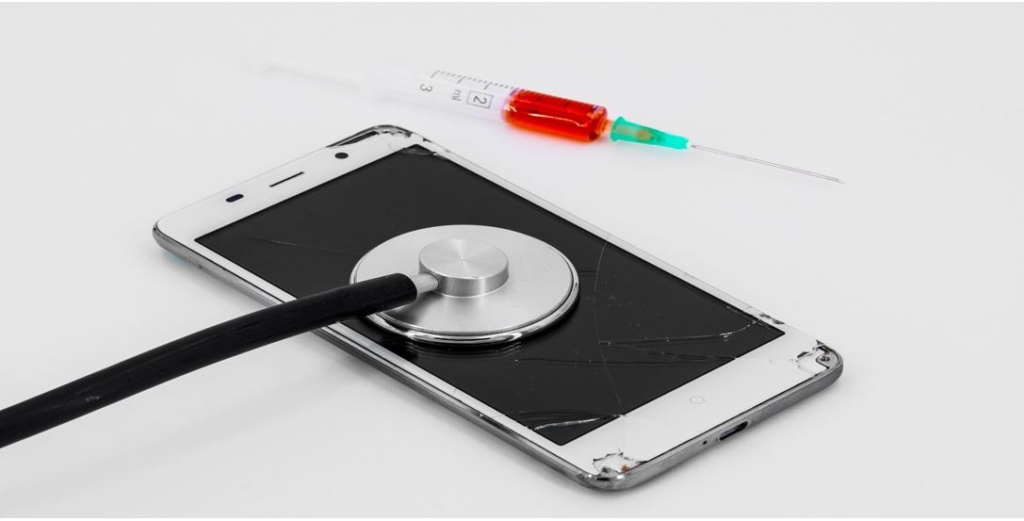
What if the phone resting quietly in your pocket knows more about you than your closest friend and is sharing it with someone you’ve never met? What if every call, message, location ping, or whispered conversation is not as private as you believe? In an age where smartphones promise connection and convenience, a troubling question demands urgent attention: “Is your cell phone bugged?”
This is not paranoia. It is awareness.
The Myth of Total Privacy
Modern touchscreen phones have flooded the global market with dazzling features, high-definition cameras, voice assistants, location services, cloud storage, and instant global connectivity. But beneath this digital luxury lies an uncomfortable truth: most smartphones do not and cannot guarantee full privacy to their users.
In simple terms, there is no absolute security. No complete privacy. Period.
If this sounds exaggerated, history tells a different story.
In October 2013, reports by international media revealed that the U.S. National Security Agency (NSA) had monitored the mobile phone of former German Chancellor Angela Merkel. Her response was swift and furious. She personally called former U.S. President Barack Obama to demand explanations. Shortly afterward, the White House assured her that her phone would not be monitored again, an assurance that raised even more questions. If it could happen to a world leader, what about ordinary citizens?
Around the same period, a former French government expressed outrage after claims emerged that American intelligence agencies had secretly monitored over 70 million private phone calls in France in less than a month. These revelations, later reinforced by documents leaked by Edward Snowden, shook global trust and exposed the vast scale of digital surveillance.
The message was clear: if former presidents, former chancellors, and former governments can be monitored, no smartphone user is beyond reach.
When Private Conversations Become Public Weapons
Closer to home, similar concerns have echoed across African politics. Recorded phone conversations, leaked audio clips, and secret recordings have become tools of embarrassment, blackmail, and political destruction. In Ghana, the controversy surrounding secretly recorded phone conversations involving public officials raised critical questions that were never fully answered.
Who recorded the conversation?
By what means was it recorded?
Was it done with a separate device or through the phone itself?
In today’s advanced telecommunications environment, both scenarios are possible. Smartphones are not just phones; they are microphones, cameras, GPS trackers, and data transmitters combined. When compromised intentionally or unintentionally, they become silent witnesses to your life.
Why Smartphones Are Easy to Track
Many smartphone users are shocked to discover how easily their devices can be traced, monitored, or accessed. Features designed for convenience, cloud backups, location services, and synced accounts also create multiple access points for tracking.
Consider this real-life example from Toronto.
A Scarborough dentist, Sheryl Lipton, accidentally left her iPhone in her car while out for a run. Thieves smashed her car window and stole the phone. When she contacted the police, she received little assistance. Then she remembered she had enabled “Find My iPhone.”
Within minutes, she tracked the phone’s precise location, first inside a mall, then across the street. The app showed her exactly where the phone was and even indicated movement in real time. She confronted three men, proved ownership by unlocking the phone, and recovered it.
The lesson is powerful and frightening. If you can be tracked so easily when you want to be, others can track you when you don’t.
Lessons from the Digital Shadows
One of the most striking examples often cited in intelligence circles is that of Osama bin Laden. Reports after his death revealed that he deliberately avoided cell phones, computers, and internet-enabled devices, understanding that electronic footprints could expose his location. While his actions were criminal and condemnable, the lesson about digital traceability is instructive: electronic devices are gateways for surveillance.
This reality does not mean smartphones are evil. It means they are powerful and power without awareness is dangerous.
Advice for the Modern Cell Phone User
Awareness is your first line of defense. While total privacy may be impossible, informed use can significantly reduce risk. Here are practical steps every user should consider.
Know Your Settings. Review app permissions regularly. Disable microphone, camera, and location access for apps that don’t need them.
Update responsibly. Software updates often fix security flaws. Ignoring them leaves doors open.
Limit Sensitive Conversations. Avoid discussing highly personal, financial, or strategic matters on unsecured lines.
Be Careful with Public Wi-Fi: Open networks are prime hunting grounds for data interception.
Use Strong Authentication. Enable strong passcodes, biometric locks, and two-factor authentication.
Remember, convenience has a price; the “smarter” your phone is, the more information it collects.
The question is no longer whether smartphones can be monitored. They can. The real question is whether users are willing to remain ignorant or become informed.
Your phone is a remarkable tool. But it is not your friend. It listens. It records. It remembers. Somewhere, sometime, someone or something may be watching.
So, watch what you say.
Watch who you talk to.
Watch how you use the device that never sleeps.
Because in this advanced technological age, Big Brother may not knock; he may simply connect.
Comments
No comments yet.
Log in to leave a comment.